How to Fish Soft Plastics for Beginners

Introduction
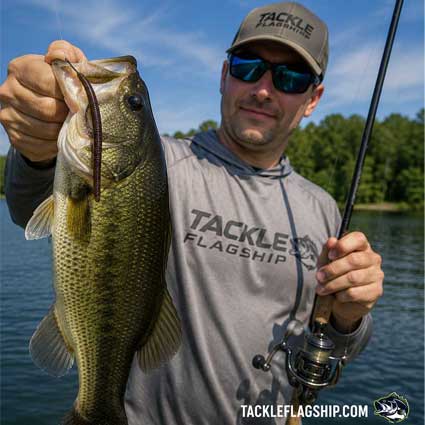
Soft plastic lures have helped more anglers catch their first bass than almost any other lure category. Whether you're fishing a farm pond, a local river, or a large reservoir, chances are a soft plastic can catch fish there.
Their popularity comes from a simple advantage: they imitate natural prey extremely well and can be fished in countless ways. A single soft plastic worm can be rigged weightless, Texas Rig style, Wacky Rig style, or on a Carolina Rig depending on the conditions. That flexibility allows anglers to fish shallow water, deep structure, heavy cover, and open water without constantly changing lure categories.
For beginners, soft plastics are often the best place to start. They are affordable, easy to rig, widely available, and effective throughout the year. More importantly, learning how to fish soft plastics teaches many of the core skills that carry over into almost every other form of freshwater fishing.
Quick Answer
Soft plastic lures are among the easiest and most effective fishing baits for beginners. By selecting the right lure, using an appropriate rig, and fishing slowly around productive cover, anglers can catch bass, crappie, trout, panfish, and many other freshwater species throughout the year.
For beginners, start with:
- Soft Plastic Worm
- Texas Rig
- 7' Medium Fast Spinning Rod
- 2500 Size Spinning Reel
- 15 lb Braid
- 10 lb Fluorocarbon Leader
This simple setup can catch bass and many other freshwater fish in almost any season.
Key Takeaways
- Soft plastic lures are one of the most versatile lure categories in freshwater fishing.
- A Texas Rig and soft plastic worm remain the best starting point for most beginners.
- Soft plastics generally perform best when fished slowly with frequent pauses.
- Productive locations include grass lines, docks, fallen trees, weed edges, and rocky structure.
- Learning multiple rigs such as Texas Rig, Wacky Rig, Ned Rig, and Carolina Rig increases versatility.
- A basic spinning setup is sufficient for most beginner soft plastic fishing situations.
Table of Contents
- What Are Soft Plastic Lures?
- Why Soft Plastics Catch So Many Fish
- How to Fish Soft Plastics
- Where to Fish Soft Plastics
- Most Popular Soft Plastic Rigs
- Best Soft Plastics for Beginners
- Best Soft Plastic Colors for Beginners
- When to Fish Soft Plastics
- Common Beginner Mistakes
- Best Beginner Soft Plastic Setup
- Beginner Soft Plastic Fishing Checklist
- Frequently Asked Questions
What Are Soft Plastic Lures?

Soft plastic lures are artificial fishing baits made from flexible plastic materials designed to imitate the prey fish naturally feed on. Depending on their shape and design, they can represent worms, crayfish, baitfish, frogs, insects, and many other food sources.
Unlike many hard baits that rely heavily on speed and vibration, soft plastics often excel because they can be presented naturally and worked at virtually any pace. This makes them effective even when fish are inactive or heavily pressured.
The most common types include soft worms, stick baits, craws, creature baits, and paddle tail swimbaits. As your skills develop, each of these lure styles can become its own fishing system, but beginners only need to understand a few core options to start catching fish consistently.
Why Soft Plastics Catch So Many Fish
One reason soft plastics continue to dominate freshwater fishing is realism. Their flexible bodies move naturally in the water, often creating subtle actions that closely resemble real prey. Fish that ignore larger or louder lures will often still respond to a properly presented soft plastic.
Versatility is another major advantage. The same lure can be fished weightless, Texas Rigged, Wacky Rigged, Carolina Rigged, or paired with a jig head. This flexibility allows anglers to adapt to changing conditions without constantly switching lure categories.
Soft plastics also remain effective throughout the year. During spring they can target spawning fish, during summer they work around vegetation and structure, during autumn they imitate forage species, and during winter they excel when presented slowly.
Perhaps most importantly, soft plastics give anglers complete control over presentation. Whether fish want an aggressive retrieve or a subtle bottom presentation, a soft plastic can usually be adjusted to match their behavior.
How to Fish Soft Plastics
Many beginners focus heavily on lure selection while overlooking presentation. In reality, how a soft plastic is fished often matters more than the lure itself.
The first step is choosing a lure that matches the conditions. Soft worms remain the safest starting point because they work in almost every environment. Swimbaits excel when fish are actively feeding on baitfish, while craws and creature baits are often more productive around heavy cover.
Rig selection is equally important. The rig determines how the lure falls, how deep it fishes, and how effectively it moves through cover. Most beginners should start with a Texas Rig because it offers an excellent balance of simplicity and versatility.
Patience is another key factor. Soft plastics often perform best when fished slowly. Small hops, gentle drags, and occasional pauses typically generate more strikes than constant movement. Many fish bite during the pause rather than during the retrieve.
Finally, pay close attention to your line. Soft plastic bites are often subtle. A slight twitch, sudden slack, or feeling of extra weight may be the only indication that a fish has taken the bait.
Where to Fish Soft Plastics

Even the best soft plastic won't catch fish if it is presented in unproductive water. Understanding where fish hold is often more important than selecting the perfect lure.
Grass lines are one of the most productive places to start. Vegetation provides shade, cover, and access to food, making it a natural gathering point for bass and other predators. A Texas-Rigged worm worked along the edge of a weed line is one of the most reliable presentations in freshwater fishing.
Docks are another excellent target. Fish often position themselves beneath docks to escape bright sunlight and ambush prey. Soft plastics can be skipped or pitched into these shaded areas where larger fish frequently hide.
Fallen trees, submerged timber, and brush piles consistently attract fish as well. These structures provide protection while also concentrating baitfish and crayfish. Weedless soft plastic rigs allow anglers to fish these areas effectively without constantly snagging.
Rock piles, riprap banks, weed edges, and underwater points are all productive locations where soft plastics can excel. When in doubt, focus on any area that provides a combination of cover, food, and depth changes.
Most Popular Soft Plastic Rigs

Learning a few basic soft plastic rigs will allow you to fish different depths, cover types, and conditions without constantly changing lure categories. While dozens of rigging methods exist, most beginners only need to understand four core rigs to start catching fish consistently.
Texas Rig
The Texas Rig is the foundation of soft plastic fishing. Its weedless design allows anglers to fish around vegetation, timber, docks, and heavy cover with minimal snagging.
Related Guide: Texas Rig for Bass Fishing
Wacky Rig
The Wacky Rig hooks a stick bait through the center, allowing both ends to flutter naturally during the fall. This subtle action often produces bites when fish ignore more aggressive presentations.
Related Guide: Wacky Rig Fishing for Beginners
Ned Rig
The Ned Rig combines a small soft plastic with a lightweight jig head to create a finesse presentation. It is especially effective in clear water and during periods of heavy fishing pressure.
(Coming Soon)
Carolina Rig
The Carolina Rig separates the weight from the lure with a leader, allowing a more natural presentation over large areas and varying bottom structure.
(Coming Soon)
Best Soft Plastics for Beginners
Walk into any tackle shop and you'll find hundreds of soft plastic options. While the variety is exciting, it can also be overwhelming for beginners. Fortunately, only a handful of lure styles are needed to catch fish consistently.
Soft Worms
If there is one soft plastic every beginner should own, it is a worm. Soft worms are affordable, easy to rig, and productive in nearly every freshwater environment. They can be fished shallow or deep, weightless or weighted, and work throughout the year.
Straight-tail worms provide subtle action that excels in pressured waters, while ribbon-tail worms create more movement and vibration. Both are excellent starting points for new anglers.
Stick Baits
Stick baits are among the easiest soft plastics to fish because much of the action occurs naturally as the lure falls through the water. A Senko-style stick bait rigged weightless can catch fish in ponds, lakes, rivers, and reservoirs.
Many experienced anglers still rely heavily on stick baits because they continue producing fish when other lures fail.
Paddle Tail Swimbaits
Paddle tail swimbaits offer a more active style of fishing. Their built-in tail action creates a realistic swimming motion during retrieval, allowing beginners to simply cast and retrieve while still presenting an effective lure.
They are also highly versatile and can catch bass, walleye, pike, and many other predatory species.
Creature Baits
Creature baits become increasingly valuable as anglers gain confidence. Their multiple appendages create additional vibration and water displacement, making them excellent choices around heavy cover where larger fish often hold.
Although slightly more advanced than worms or stick baits, they are worth learning once the basics have been mastered.
Best Soft Plastic Colors for Beginners
Many anglers spend too much time worrying about color selection. While color can matter, a few proven options will handle the majority of fishing situations.
| Water Condition | Best Colors |
|---|---|
| Clear Water | Green Pumpkin, Watermelon |
| Lightly Stained Water | Green Pumpkin, Junebug |
| Stained Water | Junebug, Black and Blue |
| Muddy Water | Black, Chartreuse |
| Low Light Conditions | Black and Blue |
Green Pumpkin remains the most versatile soft plastic color available and is often the safest choice when conditions are uncertain. Watermelon performs exceptionally well in clear water, while darker colors such as Black and Blue create stronger silhouettes in stained or muddy water.
As a beginner, owning Green Pumpkin, Black and Blue, and White will cover most fishing situations.
When to Fish Soft Plastics
One reason soft plastics remain so popular is that they can be effective throughout the year.
Spring is often considered one of the best times to fish soft plastics because bass move shallow and become more aggressive. Summer provides excellent opportunities around vegetation, docks, and deeper structure where fish seek shade and cooler water.
During autumn, fish feed heavily before winter, making worms, stick baits, and swimbaits particularly productive. Even in winter, soft plastics continue to catch fish when presented slowly with finesse techniques such as Ned Rigs and weightless stick baits.
Few lure categories offer year-round effectiveness to the same degree.
Common Beginner Mistakes
One of the most common mistakes beginners make is fishing too quickly. Many anglers start with spinnerbaits or crankbaits and naturally carry that faster retrieve speed into soft plastic fishing. Unfortunately, this often removes the natural action that makes soft plastics effective. Slowing down and allowing the lure to pause frequently usually results in more bites.
Another frequent mistake is using too much weight. While heavier weights help reach deeper water, they can also make presentations appear unnatural. In many situations, lighter weights allow soft plastics to move more realistically and generate more strikes.
Hook selection causes problems as well. Beginners often choose hooks that are larger than necessary, reducing lure action and affecting hook-up percentages. Matching hook size to lure size is important for maintaining a natural presentation.
Finally, many anglers become overly dependent on a single rig. The Texas Rig is extremely versatile, but relying on it exclusively can limit success. Learning additional presentations such as the Wacky Rig, Ned Rig, and Carolina Rig provides far more flexibility when conditions change.
To better understand hook selection, read: Fishing Hook Types Explained for Beginners
Best Beginner Soft Plastic Setup

Recommended Setup:
- Rod: 7' Medium Fast Spinning Rod
- Reel: 2500 Size Spinning Reel
- Main Line: 15 lb Braid
- Leader: 10 lb Fluorocarbon
- Primary Lure: Soft Plastic Worm
- Primary Rig: Texas Rig
This setup provides enough sensitivity for detecting subtle bites while remaining easy for beginners to cast, manage, and fish effectively throughout the year.
Related Guides:
- How to Choose the Best Fishing Rod Length for Beginners
- Fishing Rod Power & Action Explained for Beginners
- Spinning Reel vs Baitcaster for Beginners
- Best Fishing Line for Beginners
Beginner Soft Plastic Fishing Checklist
✓ Soft Plastic Worms
✓ Stick Baits
✓ Offset Worm Hooks
✓ Bullet Weights
✓ 2500 Size Spinning Reel
✓ 7' Medium Fast Rod
✓ Braided Main Line
✓ Fluorocarbon Leader
✓ Fishing Pliers
✓ Small Tackle Box
Frequently Asked Questions
How do you rig soft plastic lures?
Popular options include the Texas Rig, Wacky Rig, Ned Rig, and Carolina Rig.
What is the easiest soft plastic rig for beginners?
The Texas Rig is generally considered the easiest and most versatile option.
Do soft plastics need weights?
Not always. Many soft plastics can be fished weightless, especially in shallow water.
What color soft plastic catches the most fish?
Green Pumpkin is often considered the most versatile soft plastic color.
What is the best soft plastic for bass?
For most beginners, a soft plastic worm or stick bait is the best starting point because both are versatile and effective in a wide range of conditions.
Can you fish soft plastics without weights?
Yes. Weightless soft plastics are often extremely effective around shallow cover, docks, weed edges, and shoreline structure.
How deep should you fish soft plastics?
Soft plastics can be fished from a few inches of water to depths exceeding 30 feet. The ideal depth depends on where fish are holding and the rig being used.
What fish can you catch with soft plastics?
Bass, crappie, panfish, trout, walleye, pike, catfish, and many other freshwater species.
Are soft plastics effective year-round?
Yes. Soft plastics remain productive throughout spring, summer, autumn, and winter.
Related Guides
- Texas Rig for Bass Fishing
- Fishing Hook Types Explained for Beginners
- Fishing Rod Power & Action Explained for Beginners
- How to Choose the Best Fishing Rod Length for Beginners
- Spinning Reel vs Baitcaster for Beginners
- Best Fishing Line for Beginners
Final Thoughts
Many beginners spend too much time searching for the perfect lure when they would be better served mastering a simple presentation. A Texas-Rigged worm on a medium spinning setup has helped countless anglers catch their first bass and remains one of the most reliable techniques in freshwater fishing.
If you're just getting started, pick up a pack of Green Pumpkin worms, learn a Texas Rig, and spend time fishing around visible cover such as grass lines, docks, and fallen trees. That simple approach has helped generations of anglers catch more fish and remains one of the best ways to build confidence on the water.