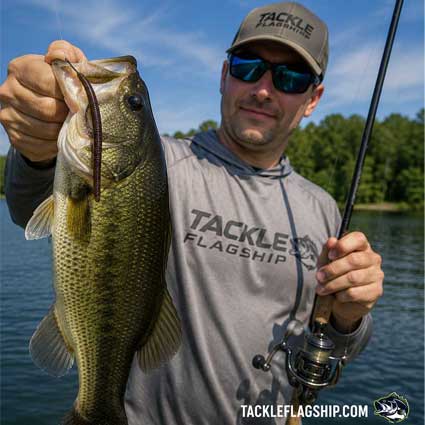
Texas Rig for Bass Fishing: How to Rig It and Catch More Bass
Introduction
If I had to choose one bass fishing rig that every beginner should learn first, it would probably be the Texas rig.
I still remember the first time I caught a bass on one. After spending hours throwing spinnerbaits and crankbaits around a small lake with little success, I switched to a simple Texas-rigged worm and started working it through a patch of weeds near the shoreline. A few casts later, I felt a subtle tap, set the hook, and landed a bass. It wasn't a trophy fish, but it completely changed how I looked at bass fishing.
The Texas rig has earned its reputation because it works almost everywhere. It can be fished through weeds, around fallen trees, under docks, across rocky points, and along deep structure where bass spend much of their time. Unlike many treble-hooked lures that constantly snag, a properly rigged Texas rig allows anglers to put a bait directly into the cover where fish often feel safest.
Use this guide to learn how to build a Texas rig setup, choose the right hook and weight, and fish it effectively in a variety of bass fishing situations.
Table of Contents
-
Quick Answer
-
Key Takeaways
-
What Is a Texas Rig?
-
Why Bass Anglers Love Texas Rigs
-
Texas Rig Components
-
Texas Rig Hook Size Guide
-
Texas Rig Weight Selection Chart
-
Should You Peg a Texas Rig Weight?
-
How to Rig a Texas Rig
-
Best Soft Plastics for Texas Rigs
-
Where to Fish a Texas Rig
-
How to Fish a Texas Rig
-
Other Tackle Considerations
-
Common Beginner Mistakes
-
FAQ
-
Related Articles
-
Final Thoughts
Quick Answer
A Texas rig is a weedless bass fishing rig that uses a bullet weight, offset or EWG hook, and a soft plastic lure. It is commonly used for fishing bass around grass, weeds, wood, docks, rocks, and heavy cover. Most beginners start with a 3/0 EWG hook, a 1/4 oz bullet weight, and a 5-inch soft plastic worm.
Because it can be fished through cover with minimal snagging, the Texas rig remains one of the most effective and beginner-friendly bass fishing techniques available.
Key Takeaways
-
Texas rigs are one of the most versatile bass fishing techniques available.
-
A 3/0 EWG hook is a great all-around choice for beginners.
-
A 1/4 oz bullet weight covers most shallow to medium-depth situations.
-
Texas rigs work exceptionally well around weeds, grass, wood, and docks.
-
Slower presentations often catch more bass than fast retrieves.
What Is a Texas Rig?

A Texas rig is a weedless soft plastic setup designed to allow anglers to fish directly through cover without constantly snagging.
The rig consists of three basic components: a bullet weight, a hook, and a soft plastic lure. The hook point is lightly buried back into the plastic, creating a streamlined presentation that slips through vegetation and structure far more easily than exposed-hook rigs.
One reason the Texas rig remains so popular is its simplicity. The setup is inexpensive, easy to learn, and effective throughout the year. Whether you're fishing a farm pond, a reservoir, or a river, there are very few situations where a Texas rig won't catch bass.
Why Bass Anglers Love Texas Rigs
Bass anglers often describe the Texas rig as one of the most dependable techniques in fishing, and there are good reasons for that reputation.
The weedless design allows anglers to fish areas that many other lures struggle to reach. Instead of avoiding weeds, brush, and submerged timber, Texas rig anglers often target those areas directly because they know bass frequently use them for cover.
The rig is also incredibly versatile. A Texas rig can be used with Senkos, ribbon-tail worms, creature baits, craws, and many other soft plastic bass lures. Rather than learning a completely different setup for every lure, anglers can use the same basic rig across multiple presentations.
Perhaps most importantly, Texas rigs work throughout the year. While some techniques shine during specific seasons, Texas rigs consistently catch fish from spring through winter when presented correctly.
Texas Rig Components
Hook
Most beginners should start with a 3/0 EWG hook. It is versatile enough to handle many of the most popular Texas-rigged soft plastics, including 5-inch worms, Senkos, creature baits, and craws.
For a deeper breakdown of hook sizes, see our What Size Hook for Bass Fishing guide. If you're unsure whether to choose an EWG or offset worm hook, check out our EWG vs Offset Hook comparison.
Bullet Weight
The bullet weight controls how quickly the lure sinks and how well you maintain contact with the bottom.
Many beginners assume heavier weights are always better, but that's rarely true. In many situations, a lighter weight creates a more natural presentation and allows bass more time to react to the lure.
Soft Plastic
Texas rigs work with almost every major soft plastic category, including:
-
Senkos
-
Straight-tail worms
-
Ribbon-tail worms
-
Creature baits
-
Craw baits
-
Soft jerkbaits
Texas Rig Hook Size Guide

| Soft Plastic | Recommended Hook Size |
|---|---|
| 4 inch Worm | 2/0 |
| 5 inch Worm | 3/0 |
| 5 inch Senko | 3/0 |
| Creature Bait | 3/0–4/0 |
| Large Craw | 4/0 |
A good rule of thumb is to match the hook to the lure rather than the fish. The hook should leave enough gap between the plastic and hook point to ensure solid penetration during the hookset.
Quick Tip: A 3/0 EWG hook is one of the best all-around choices for most 5-inch worms and Senko-style baits.
Texas Rig Weight Selection Chart

Choosing the right Texas rig weight is one of the biggest factors affecting sink rate, bottom contact, and lure presentation.
| Water Depth | Recommended Weight |
|---|---|
| 1–3 ft | 1/8 oz |
| 4–8 ft | 1/4 oz |
| 8–15 ft | 3/8 oz |
| 15+ ft | 1/2 oz |
Whenever possible, use the lightest weight that still allows you to maintain bottom contact. A slower fall often produces more bites than a lure that rockets straight to the bottom.
Should You Peg a Texas Rig Weight?

One question many beginners eventually ask is whether the bullet weight should be pegged in place.
In open water, most anglers leave the weight unpegged so the soft plastic can move more naturally behind the sinker. This often creates a more subtle presentation and allows bass to pick up the lure without immediately feeling resistance.
However, pegging becomes much more useful when fishing heavy cover. Thick grass, brush piles, laydowns, and flipping situations can cause an unpegged weight to separate from the lure, making it difficult to work through structure effectively.
As a simple rule:
-
Open water: usually leave the weight unpegged
-
Sparse cover: either method works
-
Heavy grass and wood: peg the weight
-
Flipping and pitching: peg the weight
Many experienced bass anglers use both approaches depending on the situation, so don't be afraid to experiment.
How to Rig a Texas Rig

Rigging a Texas rig becomes second nature after a little practice.
Step 1: Insert the hook point into the nose of the soft plastic.
Step 2: Push the hook through roughly a quarter inch and bring the point out.
Step 3: Slide the bait up the hook shank and rotate it 180 degrees.
Step 4: Measure where the hook should re-enter the body.
Step 5: Push the hook point through and lightly bury it back into the plastic.
When finished, the lure should sit perfectly straight. A crooked worm may spin during retrieval and reduce the effectiveness of the presentation.
Best Soft Plastics for Texas Rigs
One of the reasons Texas rigs have survived for decades is their ability to work with countless soft plastic designs.
Senkos remain one of the most beginner-friendly options. Their subtle action catches bass in clear water, around cover, and even under heavy fishing pressure.
Ribbon-tail worms excel when you want additional movement and vibration. Many anglers rely on them during warmer months when bass are actively feeding.
Creature baits and craws are particularly effective around wood, docks, and heavy vegetation. Their larger profiles can trigger aggressive strikes from bass holding tight to cover.
While every angler eventually develops personal favorites, these lure categories provide an excellent starting point for beginners.
Where to Fish a Texas Rig

One of the biggest reasons Texas rigs remain so popular is their ability to reach bass that spend most of their time buried deep in cover.
When I arrive at a new pond or lake, I'm usually looking for the same types of areas first. Weed edges, submerged grass, fallen trees, dock pilings, brush piles, and rock transitions all provide the kind of cover bass naturally use for security and ambush feeding opportunities. While many lures struggle around these obstacles, a properly rigged Texas rig can move through them surprisingly well.
Grass and weeds are often the most obvious starting points. During the warmer months, bass frequently position themselves along weed lines where they can intercept baitfish moving through the vegetation. A Texas-rigged worm or creature bait can be worked directly through these areas without constantly collecting weeds.
Wood cover is another high-percentage target. Laydowns, stumps, and submerged branches often hold bass throughout the year. Instead of fishing around the outside edges, the weedless design of a Texas rig allows you to place the lure much deeper into the cover where fish often feel safest.
Docks, brush piles, and rocky structure deserve attention as well. Some of my most consistent Texas rig fish have come from skipping soft plastics under docks or slowly dragging them across rocky points and transitions. Whenever bass are relating closely to structure, a Texas rig is rarely a bad choice.
How to Fish a Texas Rig
One lesson Texas rigs taught me early on was how many bites happen when the lure is barely moving.
Like many beginners, I originally fished them far too fast. I'd cast, drag the lure back quickly, and immediately fire another cast. Looking back, I probably moved the bait away from more fish than I ever presented it to. The turning point came when I started slowing down and allowing the lure to spend more time in productive areas.
Drag and Pause
Most of the time, a simple drag-and-pause retrieve is all that's needed. After the lure reaches the bottom, slowly pull it a short distance before pausing for a few seconds. Those pauses often give nearby bass enough time to inspect and commit to the bait.
Hop
Small hops can be extremely effective when bass are actively feeding. Lifting the rod tip gently causes the lure to jump off the bottom before falling back naturally. Many strikes occur during that fall, particularly around grass edges, wood, and rocky structure.
Lift and Drop
In deeper water, a lift-and-drop presentation can help trigger reaction bites. Raise the lure off the bottom, then allow it to fall naturally while maintaining contact with the line.
Dead Stick
Another technique that consistently surprises beginners is dead-sticking. There have been plenty of days when leaving a worm completely motionless for several seconds produced more bites than constantly moving it. Bass don't always want a fast-moving meal, especially when fishing pressure is high or water temperatures are changing.
The biggest mistake is assuming the lure always needs action. Sometimes the most productive thing you can do is simply let the bait sit and trust that a nearby bass will eventually notice it.
Other Tackle Considerations
Even the best Texas rig setup performs better when paired with the right rod, reel, and line.
For most situations, a Medium Heavy Fast Action rod offers an excellent balance of sensitivity and hook-setting power. Pairing that rod with the appropriate line and reel setup helps maximize casting accuracy and lure control.
Related Guides:
Common Beginner Mistakes
The most common mistake I see beginners make is fishing a Texas rig too quickly. Because the setup looks simple, many anglers assume it should be worked aggressively across the bottom. In reality, some of the best Texas rig days happen when the lure moves only a few feet during an entire retrieve.
Using too much weight is another problem. Heavy bullet weights certainly have their place, especially in deep water or thick vegetation, but many beginners immediately reach for the heaviest sinker available. A lighter weight often creates a more natural fall and allows bass more time to react to the bait.
Hook size is another area where anglers tend to overcomplicate things. For most common worms, Senkos, and creature baits, a 3/0 EWG hook handles a huge percentage of situations. Constantly changing hook sizes rarely makes as much difference as choosing the right location and maintaining good bottom contact.
Finally, many beginners set the hook too early. A small tap doesn't always mean the fish has fully committed to the bait. Learning to recognize the difference between a bass simply investigating the lure and one that has actually taken it can dramatically improve hookup percentages over time.
FAQ
What size hook should I use for a Texas rig?
A 3/0 EWG hook is an excellent starting point for most 5-inch worms and Senko-style baits.
What weight should I use for a Texas rig?
A 1/4 oz bullet weight covers most shallow and medium-depth situations.
Is a Texas rig good for beginners?
Yes. It is one of the easiest and most versatile bass fishing rigs to learn.
Can I fish a Texas rig in weeds?
Absolutely. The weedless design is one of the primary advantages of the Texas rig.
What rod is best for Texas rigs?
Most anglers prefer a Medium Heavy Fast Action rod because it provides good sensitivity and strong hooksets.
What line is best for a Texas rig?
Many anglers use braided line around grass and heavy vegetation because of its strength and sensitivity. Around rocks and clearer water, fluorocarbon is often preferred due to its lower visibility. Beginners can successfully fish a Texas rig with monofilament as well.
What is the best bait for a Texas rig?
Some of the most productive Texas-rigged soft plastics include Senkos, ribbon-tail worms, creature baits, craws, and soft jerkbaits. A 5-inch stick worm remains one of the best all-around choices for beginners.
Related Articles
Hook Selection
Soft Plastic Fishing
-
Soft Plastic Fishing Basics (Coming Soon)
-
Best Hook Size for Senkos (Coming Soon)
-
Best Hook Size for Creature Baits (Coming Soon)
Gear Setup
Final Thoughts
The biggest lesson Texas rigs taught me wasn't how to catch bass in heavy cover. It was learning to slow down. Some of the best fish I've caught on Texas rigs came after long pauses when I was convinced nothing was happening.
For beginners, it's easy to get caught up in buying every lure, weight, and hook size available. In reality, a simple setup consisting of a 3/0 EWG hook, a 1/4 oz bullet weight, and a quality soft plastic worm can catch bass almost anywhere. Master that setup first, and you'll have a foundation that will continue producing fish for years to come.