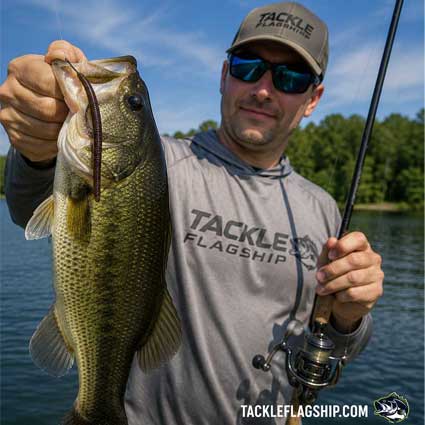
EWG Hook vs Offset Hook: Which Works Best for Bass, Worms, and Soft Plastics

Introduction
Walk into any tackle shop and you'll quickly notice that most soft plastic fishing hooks fall into two categories: EWG hooks and offset worm hooks.
At first glance, they appear remarkably similar. Both are commonly used for Texas rigs, both are designed for weedless presentations, and both can be paired with worms, craws, creature baits, and other soft plastics. Because of these similarities, many anglers assume they are interchangeable.
The reality is a little more complicated.
After years of fishing everything from finesse worms to bulky creature baits, I've found that choosing the correct hook often matters just as much as choosing the right lure. A hook that perfectly matches one bait may be a poor fit for another, even if the two lures appear similar in size.
Although both hook styles can be used for many of the same techniques, their shape changes how soft plastics sit on the hook, how efficiently the hook penetrates during a strike, and how effectively the bait moves through cover.
Choosing the wrong hook rarely means you won't catch fish, but it can reduce hook-up percentages, affect lure action, and create unnecessary frustration on the water.
Before comparing the two hook styles in detail, it may help to review these related guides:
- Fishing Hook Types Explained for Beginners
- Circle Hook vs J Hook
- Texas Rig Guide
- Soft Plastic Fishing Basics
Quick Answer
EWG hooks are generally better for bulky soft plastics, thick-bodied creature baits, and fishing around heavy vegetation where maximum weedlessness matters.
Offset worm hooks often perform better with slimmer worms and finesse-style soft plastics because their narrower gap can provide more efficient hook penetration when properly matched to bait size.
Neither hook is universally better. The best choice depends on the shape of the soft plastic, the amount of cover you're fishing, and how bass are likely to strike the lure.
For thick plastics and heavy cover, I usually reach for an EWG hook. For slimmer worms and finesse presentations, offset worm hooks often feel like the better match.
Quick Decision Table
| If You Want... | Best Choice |
|---|---|
| Fish thick creature baits | EWG Hook |
| Fish slim worms | Offset Worm Hook |
| Maximum weed protection | EWG Hook |
| Better hook penetration | Offset Worm Hook |
| Heavy grass fishing | EWG Hook |
| Finesse presentations | Offset Worm Hook |
| Large soft plastics | EWG Hook |
| Traditional Texas rigs | Either |
Use this table as a starting point, but remember that bait profile often matters more than the hook itself.
Visual Hook Comparison

Key Takeaways
- EWG hooks feature a wider gap that accommodates thicker soft plastics.
- Offset worm hooks are often preferred for slimmer worms and finesse-style baits.
- EWG hooks generally provide better weedlessness in heavy cover.
- Offset worm hooks can provide stronger hook penetration when matched correctly to bait size.
- Soft plastic shape should influence hook selection more than lure length alone.
- Most experienced bass anglers carry both styles because each excels in different situations.
What Is an EWG Hook?
EWG stands for Extra Wide Gap.
The defining feature of an EWG hook is the large distance between the hook point and the shank. This wider gap creates extra room for bulky soft plastics that might otherwise interfere with hook penetration during a strike.
When rigging creature baits, craws, thick stick worms, or paddle tail swimbaits, the larger gap helps ensure the hook point still has enough room to reach the fish after compressing the bait.
This design has made EWG hooks one of the most popular choices among bass anglers who regularly fish Texas rigs around vegetation, brush piles, docks, and submerged timber.
Many anglers also prefer EWG hooks when fishing heavily pressured waters because the weedless profile allows presentations to move naturally through cover where bass often hold.
What Is an Offset Worm Hook?
An offset worm hook uses a smaller and more traditional bend shape while retaining the offset section near the eye that helps secure soft plastics in place.
Compared to EWG hooks, the gap is narrower, creating a slimmer overall profile.
This design often pairs exceptionally well with straight-tail worms, finesse worms, ribbon-tail worms, and other soft plastics that do not require excessive hook clearance.
Many experienced anglers appreciate offset worm hooks because the more compact shape can sometimes translate into cleaner hook penetration, especially when using lighter tackle or smaller baits.
Although offset worm hooks may not handle extremely bulky plastics as effectively as EWG designs, they remain one of the most effective and widely used hook styles in bass fishing.
How EWG Hooks Work
Unlike a standard worm hook, an EWG hook creates additional space between the hook point and the body of the lure.
When a bass bites, the soft plastic collapses, exposing the hook point and allowing it to move toward the fish's mouth.
The larger gap helps prevent thick plastics from blocking the hook point during the hookset.
This is particularly important when fishing oversized creature baits, beaver-style baits, or larger stick worms where a standard hook gap may become crowded.
How Offset Worm Hooks Work
Offset worm hooks rely more on proper bait matching than sheer hook gap.
Because the hook point sits closer to the shank, slimmer soft plastics leave plenty of clearance for penetration without requiring a large gap.
When a bass bites and the worm compresses, the hook point encounters less plastic material before reaching the fish.
For many finesse presentations, this can result in a very efficient hookset and excellent penetration.
In situations where natural presentation matters more than maximum weedlessness, many anglers continue to favor offset worm hooks because of their simple and efficient design.
How to Rig Soft Plastics on EWG and Offset Hooks

Many anglers spend a lot of time debating hook styles but overlook one of the most important factors: proper rigging. Even the best hook cannot perform well if the soft plastic is rigged incorrectly.
A poorly rigged bait may spin during retrieval, lose its natural action, collect weeds more easily, or significantly reduce hook-up percentages. Taking a few extra seconds to rig the bait correctly often makes a bigger difference than switching between hook styles.
How to Rig an EWG Hook
Start by inserting the hook point into the nose of the soft plastic and pushing it forward about a quarter inch. Bring the point out through the belly and slide the bait up the shank until it reaches the offset bend near the eye.
Rotate the bait 180 degrees so it hangs naturally along the hook. Lay the hook alongside the bait to determine where the point should re-enter the body. Push the point straight through and lightly skin-hook the point for a weedless presentation.
The finished bait should remain perfectly straight. If the body bends or twists, the lure will often roll during retrieval and lose its intended action.
How to Rig an Offset Worm Hook
The process is very similar, but because the hook gap is smaller, bait alignment becomes even more important.
Insert the point through the nose, exit through the belly, and slide the bait to the offset bend. Rotate the lure and carefully measure where the point should re-enter the body.
Because offset worm hooks are frequently paired with slimmer worms, a straight presentation is critical. Even a slight bend can negatively affect how the bait falls, glides, or moves during finesse presentations.
Common Rigging Mistakes
One of the most common mistakes is forcing a hook that is too small into a bulky bait. Even if the bait appears to fit, there may not be enough clearance for proper hook penetration.
Another frequent issue occurs when anglers rig the bait with a slight curve. This may seem insignificant, but even a small bend can cause the lure to spin unnaturally during retrieval.
Many beginners also bury the hook point too deeply inside the plastic. While this improves weedlessness, it can make hooksets less effective when fish bite aggressively.
EWG vs Offset Hook Comparison Table
| Feature | EWG Hook | Offset Worm Hook |
|---|---|---|
| Hook Gap | Wide | Narrower |
| Creature Baits | Excellent | Fair |
| Finesse Worms | Fair | Excellent |
| Senko Style Worms | Excellent | Good |
| Weedless Performance | Excellent | Very Good |
| Hook Penetration | Good | Excellent |
| Heavy Cover | Excellent | Good |
| Beginner Friendly | Excellent | Good |
| Bass Fishing | Excellent | Excellent |
Key Differences Explained
Looking at the comparison table provides a quick overview, but understanding why these differences exist makes choosing the correct hook much easier.
Hook Gap
The most obvious difference is the gap width.
EWG hooks provide significantly more room between the hook point and the shank. This additional space allows thick plastics to collapse during a strike without completely filling the gap.
Offset worm hooks provide less clearance but often create a more direct path for penetration when paired with slimmer soft plastics.
For bulky creature baits and craws, the wider gap of an EWG hook often becomes a significant advantage. For finesse worms, however, the extra space may not be necessary.
Weedlessness
Both hook styles are designed for weedless presentations, but EWG hooks generally excel in heavy vegetation.
The wider profile allows anglers to fish thicker baits through grass, brush, wood cover, and submerged vegetation while keeping the hook point protected.
Offset worm hooks remain highly weedless, but their strengths are often found in more open environments where finesse and natural presentation become more important.
Hook-Up Ratio
This is one of the most debated topics in bass fishing.
Many anglers believe offset worm hooks deliver cleaner penetration because less plastic interferes with the hook point during the hookset.
On the other hand, EWG hooks often perform better when fishing bulky plastics because the additional gap prevents the bait from blocking the hook point entirely.
Neither design automatically produces more landed fish. Success usually depends on matching the hook style to the soft plastic being used.
Best Bait Types
As a general rule, thicker baits favor EWG hooks while slimmer baits favor offset worm hooks.
Creature baits, craws, beaver-style plastics, and thick stick worms usually pair well with EWG hooks.
Straight-tail worms, finesse worms, and ribbon-tail worms often perform exceptionally well on offset worm hooks.
Cover Performance
If your primary goal is punching through vegetation, skipping around laydowns, or fishing heavy grass lines, EWG hooks typically provide an advantage.
If you're targeting bass in relatively open water where subtle presentations matter more than maximum weed protection, offset worm hooks often feel more precise.
Real Fishing Scenarios
Understanding hook design is useful, but real-world fishing situations make the differences easier to visualize.
Heavy Grass Fishing
In my experience fishing hydrilla, milfoil, and shoreline grass beds, EWG hooks tend to move through vegetation more cleanly than most offset worm hooks. The difference becomes especially noticeable when bulky creature baits are involved.
The wider gap also provides additional room for thick plastics to collapse during a strike, which can improve hook exposure in dense cover situations.
Open Water Fishing
In open water, extreme weedlessness becomes less important.
This is where offset worm hooks often shine, particularly when paired with finesse worms and lighter Texas rigs. Their slimmer profile complements subtle presentations that bass frequently prefer in clear or pressured water.
Thick Soft Plastics
Large creature baits and beaver-style baits can occupy a surprising amount of hook gap.
EWG hooks provide the extra space necessary to maintain reliable hook exposure during the strike.
Finesse Presentations
Smaller worms and finesse plastics rarely require a massive hook gap.
Many anglers prefer offset worm hooks because they maintain a slimmer profile and often produce excellent hook penetration when paired with lighter tackle.
Texas Rig Fishing
Both hook styles work extremely well with Texas rigs.
The deciding factor is usually the shape of the soft plastic rather than the rig itself.
If the bait has a bulky body, EWG often becomes the better choice. If the bait is long and slender, an offset worm hook may be the more efficient option.
EWG Hook Advantages
The greatest advantage of an EWG hook is its ability to handle bulky soft plastics.
After testing both hook styles with creature baits over the years, I found myself reaching for EWG hooks more often simply because they left more room between the bait body and hook point.
The wider gap creates additional clearance during hooksets and helps prevent thick bait bodies from blocking the hook point.
EWG hooks also perform exceptionally well in vegetation, wood cover, and other snag-prone environments where weedless presentations are essential.
For anglers who frequently fish creature baits, craws, and larger stick worms, EWG hooks provide tremendous versatility.
EWG Hook Disadvantages
The larger profile is not always an advantage.
When paired with slim finesse baits, an EWG hook can sometimes feel oversized and unnecessary.
Some anglers also find that hook penetration becomes less efficient when the hook is significantly larger than the bait requires.
In certain finesse situations, the wider shape can slightly alter the natural action of smaller plastics.
Offset Worm Hook Advantages
Offset worm hooks excel when paired with slimmer soft plastics.
Their more compact design often creates excellent hook penetration and maintains a clean, natural bait profile.
Many finesse anglers appreciate how well offset worm hooks pair with straight-tail worms, ribbon-tail worms, and lightweight Texas rig presentations.
The slimmer profile can also make subtle soft plastics appear more natural underwater.
Offset Worm Hook Disadvantages
The narrower gap can become a limitation when fishing bulky plastics.
Large creature baits may fill much of the available space, reducing hook exposure during the hookset.
Offset worm hooks also provide slightly less room for error when selecting hook size. Choosing a hook that is too small can quickly reduce landing percentages.
Best Soft Plastics by Hook Type

In many situations, the bait itself tells you which hook is likely to perform better. The profile, thickness, and overall shape of the lure often matter more than the length printed on the package.
| Soft Plastic | Best Hook |
|---|---|
| Creature Bait | EWG Hook |
| Craw | EWG Hook |
| Paddle Tail Swimbait | EWG Hook |
| Thick Stick Worm | EWG Hook |
| Straight Tail Worm | Offset Worm Hook |
| Ribbon Tail Worm | Offset Worm Hook |
| Finesse Worm | Offset Worm Hook |
Think of this table as a starting point rather than a strict rule. Water clarity, cover, fish behavior, and personal confidence all influence hook selection, but most anglers eventually discover similar patterns.
Recommended Hook Sizes
One of the most common questions anglers ask is not whether to use an EWG hook or an offset worm hook, but what size hook they should choose.
While hook sizing deserves its own discussion, these recommendations provide a reliable starting point for most bass fishing situations.
| Soft Plastic | Typical Hook Size |
|---|---|
| Finesse Worm | 1/0–2/0 |
| Straight Tail Worm | 2/0–3/0 |
| Ribbon Tail Worm | 3/0–4/0 |
| Senko Style Worm | 3/0–5/0 |
| Creature Bait | 3/0–5/0 |
| Craw | 2/0–4/0 |
Hook size should always match the profile of the bait first. A bulky four-inch creature bait may require a larger hook than a six-inch finesse worm.
For a more detailed breakdown, see our Fishing Hook Sizes Explained guide.
Best Soft Plastics for EWG Hooks
Creature Baits
Creature baits are one of the easiest places to see the advantage of an EWG hook.
Many feature thick bodies, multiple appendages, and a large overall profile. A standard offset worm hook can work, but the wider gap of an EWG design usually leaves more room for the bait to compress during a strike.
Craws
Whether you're flipping wood, pitching docks, or working grass edges, craw-style plastics often pair naturally with EWG hooks.
The wider gap accommodates the thicker body while maintaining the weedless characteristics that make Texas-rigged craws so effective around cover.
Paddle Tail Swimbaits
Larger paddle tail swimbaits often benefit from the extra clearance provided by EWG hooks, particularly when fished around vegetation.
The wider profile helps keep the hook from becoming crowded by the body of the bait.
Thick Stick Worms
Oversized stick worms can quickly fill the gap of a smaller hook.
An EWG design usually provides the room needed to ensure the hook point remains effective when a bass commits to the bait.
Best Soft Plastics for Offset Worm Hooks
Straight Tail Worms
Straight-tail worms have remained bass fishing staples for decades.
Their slim profile naturally complements the shape of an offset worm hook, creating a clean presentation with excellent hook penetration.
Ribbon Tail Worms
Ribbon-tail worms don't require a massive hook gap.
Many anglers prefer offset worm hooks because the slimmer profile allows the bait to move freely while maintaining a natural appearance.
Finesse Worms
Finesse fishing often rewards subtlety.
Offset worm hooks pair particularly well with finesse worms because they provide enough hook without adding unnecessary bulk to the presentation.
Which Hook Is Better for Bass Fishing?
This question comes up constantly, but most experienced bass anglers eventually stop looking for a single answer.
Both hook styles catch bass extremely well. The difference lies in how they interact with specific soft plastics and fishing situations.
EWG Hooks for Bass Fishing

When fishing around grass, wood, brush, and other heavy cover, EWG hooks often become the preferred choice.
They work particularly well with creature baits, craws, and larger soft plastics that require additional hook clearance.
Many anglers who spend most of their time flipping, pitching, and fishing Texas rigs around cover carry EWG hooks almost exclusively.
Offset Worm Hooks for Bass Fishing

Offset worm hooks tend to shine when presentations become more subtle.
They pair exceptionally well with finesse worms, ribbon-tail worms, and other slimmer plastics where a narrower profile can improve bait action and penetration.
For anglers who spend a lot of time fishing open water, sparse cover, or pressured bass, offset worm hooks remain a trusted option.
EWG vs Offset Hook by Soft Plastic Type
Senko Style Worms
This is probably the category where opinions differ the most.
For thicker stick worms, many anglers lean toward EWG hooks because of the additional gap. For smaller stick worms and finesse versions, offset worm hooks often work equally well.
Creature Baits
Creature baits are where EWG hooks truly earn their reputation.
The additional gap helps prevent bulky bait bodies from interfering with hook penetration.
Craws
Most craw presentations naturally favor EWG hooks, particularly when fished around heavy cover where weedlessness becomes important.
Ribbon Tail Worms
Ribbon-tail worms tend to pair very naturally with offset worm hooks due to their slimmer body profile.
Finesse Worms
When the goal is subtle action and clean hook penetration, offset worm hooks are usually difficult to beat.
EWG vs Offset Hook for Beginners
One mistake many new anglers make is trying to find the perfect hook before spending time on the water.
In reality, both hook styles are highly effective.
If your tackle box mainly contains creature baits, craws, and larger soft plastics, starting with EWG hooks is a simple and reliable approach.
If you enjoy fishing worms, finesse presentations, and lighter Texas rigs, offset worm hooks often feel more natural.
Over time, most anglers end up carrying both styles because each solves a slightly different problem.
Common Beginner Mistakes
Focusing on Lure Length Instead of Lure Shape
A six-inch finesse worm and a six-inch creature bait may be the same length, but they place completely different demands on a hook.
The thickness of the plastic often matters more than the measurement printed on the package. Many hook selection problems start when anglers focus on length while ignoring bait profile.
Forcing Small Hooks Into Bulky Plastics
Many missed fish can be traced back to a hook that simply doesn't provide enough clearance.
If the bait fills most of the gap before a fish even bites, hook penetration becomes much more difficult.
Rigging Baits With a Slight Bend
Even small imperfections can affect lure action.
A worm that twists or bends unnaturally may spin during retrieval and appear less convincing underwater.
Treating Every Soft Plastic the Same
One of the fastest ways to improve soft plastic fishing is recognizing that different bait styles often require different hook styles.
A hook that works perfectly for a finesse worm may not be ideal for a bulky creature bait.
Pro Tips for Choosing Between EWG and Offset Hooks
After fishing both styles for years, many anglers discover that hook size often matters more than hook style.
An appropriately sized hook paired with the correct bait usually outperforms a poorly matched hook regardless of design.
Another useful habit is checking how much space remains between the bait and the hook point after rigging. If very little gap remains, moving to an EWG hook often improves performance.
It's also worth remembering that not all EWG hooks are identical. Different manufacturers use slightly different bends, gap widths, and wire diameters. Two hooks labeled "EWG" can behave surprisingly differently on the water.
FAQ
Is an EWG hook always better than an offset worm hook?
No. EWG hooks excel with thicker soft plastics, while offset worm hooks often perform exceptionally well with slimmer worms and finesse-style baits. The bait profile usually determines which hook is the better choice.
When should I choose an EWG hook?
EWG hooks are most commonly used with creature baits, craws, thick stick worms, and presentations around heavy vegetation where weedlessness is important.
Are offset worm hooks good for bass fishing?
Absolutely. Offset worm hooks have caught countless bass over the years and remain one of the most popular hook styles for worms and finesse soft plastics.
Which hook style produces better hooksets?
Neither design automatically produces better hooksets. Success usually comes from matching the hook to the bait rather than choosing one style over another.
Can EWG hooks be used with worms?
Yes. Many anglers use EWG hooks with stick worms and larger soft plastics every day. The additional gap often works particularly well with thicker worm profiles.
What size hook should I use for soft plastics?
Hook size should be chosen based on the shape and thickness of the bait first. A properly sized hook often matters more than the specific hook style.
Can an offset worm hook replace an EWG hook?
Sometimes. If the bait profile is slim enough, an offset worm hook may work perfectly. However, thicker plastics often benefit from the additional clearance of an EWG design.
Quick Verdict
If I could only carry one hook style for fishing heavy vegetation, it would be an EWG hook. The wider gap simply handles bulky plastics more effectively around grass, wood, and dense cover.
That said, when I'm fishing finesse worms, ribbon-tail worms, or lighter Texas rigs, I still find myself reaching for traditional offset worm hooks. The slimmer profile often feels like a more natural match for those presentations.
Most anglers eventually discover that both styles belong in the tackle box. Rather than competing with each other, they solve different problems and complement different bait styles.
Final Thoughts
After spending time with both hook styles, most anglers eventually stop thinking in terms of "better" and "worse."
The more useful question is whether the hook matches the soft plastic being used. A bulky creature bait and a finesse worm place very different demands on a hook, which is why both EWG and offset worm hooks continue to have a place in modern bass fishing.
Learning when to use each style is less about collecting more tackle and more about understanding how soft plastics behave underwater. Once the hook, bait, and presentation begin working together, everything from lure action to landing percentage tends to improve.
Related Articles
-
Best Hook for Live Bait Fishing