Skip to content

Worldwide Free Shipping Over $59.9

Beginner Fishing Guides

How to Choose Fishing Lures: Beginner’s Guide to Soft & Hard Baits

28 May 2026
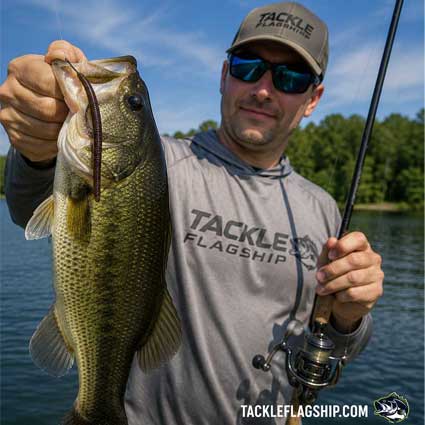
Beginner angler holding several fishing lure types beside freshwater lake


A lot of beginners assume fishing lures are mostly about color or brand, which is why many anglers end up buying far more tackle than they actually need. The reality is that lure fishing becomes much simpler once you understand why certain lures work in certain situations. Fish react differently depending on water temperature, depth, light conditions and surrounding cover, so the “best” lure constantly changes throughout the day.

Experienced anglers rarely carry random tackle without a purpose. Instead, they build confidence in a handful of lure styles that solve specific fishing situations. Some lures are designed to search for active fish quickly, while others are better for slowing down and tempting cautious fish that refuse to chase fast-moving baits.

This guide breaks lure selection down in a practical way for beginners, covering hard baits, soft plastics, lure colors, seasonal adjustments and the most common mistakes that stop new anglers from catching more fish.


Key Takeaways


  • Hard baits are excellent for covering water quickly and locating active fish.
  • Soft plastics usually perform better when fish are pressured or less aggressive.
  • Water depth and lure presentation matter more than color alone.
  • Bright colors are easier for fish to locate in muddy water, while natural colors work best in clear conditions.
  • Beginners improve faster by mastering a few versatile lures instead of constantly switching baits.


Quick Answer


If you are completely new to lure fishing, it is usually better to start with a small selection of versatile lures rather than buying dozens of highly specialised baits. Spinnerbaits, soft worms, crankbaits and frogs can handle most freshwater situations and help beginners learn different lure techniques without becoming overwhelmed.

When choosing a lure, focus on the conditions first. Water clarity, depth, season and nearby cover often influence lure performance far more than the exact lure brand or pattern.


What Are Fishing Lures?


Fishing lures are artificial baits designed to imitate prey such as baitfish, frogs, insects or crawfish. Different lure styles create different underwater actions, vibrations and movement patterns to trigger strikes from predatory fish.

Some lures are built to move aggressively and cover water quickly, while others are designed for slower and more natural presentations. Hard lures like crankbaits and spinnerbaits are often used to locate active fish, whereas soft plastics usually shine when fish become cautious or stop chasing fast-moving baits. Understanding how different lure styles behave underwater is one of the biggest steps toward choosing the right lure consistently instead of guessing randomly every session.


Hard Baits Explained


Common hard fishing baits including crankbait spinnerbait jerkbait and frog lure


Hard baits are normally made from plastic, ABS, wood or metal. Most are designed to create vibration, flash or aggressive movement underwater, making them ideal for locating active fish quickly.

One reason many beginners enjoy hard baits is because they are simple to fish and cover water efficiently. Instead of slowly targeting one small area, hard baits allow anglers to search banks, weed edges and open water much faster.

Crankbaits

Crankbaits are one of the most effective search lures in freshwater fishing. Their diving lips force the lure underwater while creating a wobbling action that imitates injured baitfish. Different lip shapes control diving depth, allowing anglers to target fish holding at different levels in the water column.

They work especially well when bass, walleye or pike are actively feeding. Shallow and medium-diving crankbaits are usually the easiest starting point for beginners because they are easier to control and less likely to snag constantly.

Spinnerbaits

Spinnerbaits remain one of the most beginner-friendly lure types ever made. The spinning blades create both flash and vibration, helping fish locate the lure even in stained water or windy conditions.

Another advantage is how well spinnerbaits move through cover. They can often be retrieved through weeds, timber and shallow structure without snagging as badly as many other hard baits. Because of that, spinnerbaits are often one of the first confidence lures new anglers learn to trust.

Frog Lures

Topwater frog lures are designed for fishing across thick vegetation where most other lures constantly get tangled. Watching a fish explode through weeds to hit a frog is one of the most exciting experiences in freshwater fishing.

Frog fishing becomes especially effective during summer once fish move into shallow vegetation and lily pads. Many beginners fish frogs too quickly, but slower retrieves and longer pauses usually trigger far more strikes.

Jerkbaits

Jerkbaits imitate injured baitfish using sharp rod twitches followed by pauses. They are particularly effective in clear water and colder conditions where fish are less willing to chase fast-moving lures.

The pause is often what triggers the strike. Fish commonly follow the lure before committing once it suddenly stops and suspends in the water.


Soft Baits Explained


Soft worm creature bait and swimbait fishing lures comparison


Soft baits are made from flexible plastic or silicone materials and create a far more natural feel underwater. While hard baits are commonly used to search for active fish, soft plastics are usually more effective when fish become cautious, pressured or inactive.

One reason soft plastics remain so popular is their versatility. The same lure can often be rigged multiple ways and fished at different depths without needing completely different setups.


Soft Worms


Soft worms are probably one of the most versatile lure styles ever created. They consistently catch fish in ponds, rivers, lakes and canals throughout the year, even during difficult conditions when reaction baits stop producing.

Natural colors such as green pumpkin, watermelon or brown usually work best because they imitate real underwater prey more convincingly. Beginners often fish soft worms too aggressively, but subtle movements and patience usually lead to more bites.


Creature Baits


Creature baits imitate crawfish or underwater creatures using multiple moving appendages that create extra movement underwater. They are commonly fished around heavy cover, docks and submerged wood where larger fish often hold.

These lures are especially effective when flipped slowly into structure because the slower presentation gives fish more time to inspect the bait.


Swimbaits


Soft swimbaits imitate baitfish using realistic tail movement during a steady retrieve. Some are small and subtle, while others are large enough to specifically target bigger predatory fish.

Swimbaits work particularly well around weed edges, open water and schooling fish because they create a natural swimming action without requiring complicated rod movements.


Which Lure Works Best in Different Conditions?


Fishing lure selection chart for clear water muddy water weeds deep water and cold water


Situation Best Lure
Clear water Soft worm
Muddy water Spinnerbait
Heavy weeds Frog lure
Deep water Jig
Windy conditions Spinnerbait
Cold water Soft plastic
Covering water quickly Crankbait
Shallow summer fishing Topwater frog


Best Lures for Different Fish Species


Best fishing lures for bass pike trout walleye and panfish


Different fish species usually respond better to certain lure styles, although fish behaviour and conditions still matter more than simply following a species chart blindly.

Bass are highly aggressive predators and will strike everything from frogs to crankbaits depending on season and water conditions. Pike often respond well to larger moving lures with strong vibration, while trout usually prefer smaller and more natural presentations.

Walleye anglers commonly rely on jigs and soft plastics because those lures stay close to the bottom where fish spend much of their time. Panfish are normally easier to catch using tiny soft plastics or micro jigs that imitate insects and small baitfish.


Choosing Lures by Water Depth


One of the most common beginner mistakes is focusing entirely on lure color while ignoring water depth completely. In reality, presenting a lure at the correct depth is usually far more important than the exact color pattern.

Topwater lures such as frogs and poppers stay on the surface and work best when fish are feeding shallow. Spinnerbaits, swimbaits and crankbaits normally target the middle part of the water column and help anglers cover water efficiently. Soft plastics, jigs and creature baits are more commonly used near the bottom where fish often hold during colder or tougher conditions.

Learning how fish position themselves throughout the water column is one of the biggest steps toward becoming more consistent with lure fishing.


Choosing Lures by Season & Weather


Seasonal fishing lure guide for spring summer autumn and winter


Fishing conditions change dramatically throughout the year, which means lure selection should change as well.

During spring, fish often move shallow and feed aggressively after winter, making spinnerbaits and crankbaits excellent choices for covering water quickly. Summer usually pushes fish deeper during the middle of the day, although topwater fishing can still be outstanding early in the morning or late in the evening. Frog lures become especially effective around weeds and shallow vegetation once the water warms properly.

Autumn is often one of the best times for reaction baits because predatory fish actively feed before winter arrives. Crankbaits, spinnerbaits and swimbaits can all produce excellent results during this period.

Winter fishing is very different because colder water slows fish metabolism significantly. Slower soft plastic presentations and jigs usually outperform aggressive hard baits once temperatures drop.

Weather also changes how fish react to lures. Windy or cloudy conditions often improve reaction bait fishing because fish become more aggressive and less cautious. Bright sunny conditions usually favour more natural lure colors and subtle presentations, especially in clear water.


Choosing Lure Colors


Lure color receives a huge amount of attention in fishing, but many beginners overthink it. While color does matter, depth, lure action and presentation are usually more important overall.

In clear water, natural colors generally perform best because fish can inspect the lure more carefully. Green pumpkin, silver, baitfish patterns and translucent colors all tend to look more realistic under those conditions.

In muddy or stained water, brighter colors such as chartreuse, white and black-and-blue help fish locate the lure more easily. Some anglers also prefer darker lures during low-light conditions because they create a stronger silhouette underwater.

Fish species can also influence color selection slightly. Bass anglers often rely heavily on green pumpkin and black-and-blue combinations, while pike anglers commonly use brighter colors such as firetiger or chartreuse to trigger aggressive strikes. Trout and walleye anglers usually lean toward more natural silver, brown or baitfish patterns.


Common Beginner Mistakes


One of the biggest mistakes beginners make is buying far too many lures before learning how to fish any of them properly. Many anglers end up carrying large tackle boxes filled with random baits they barely understand, which usually creates more confusion than confidence.

Fishing too quickly is another common problem, especially with soft plastics. Beginners often assume constant movement creates more bites, but slowing down usually catches far more fish, particularly in colder water or pressured fisheries.

Another mistake is ignoring water conditions entirely and simply throwing the same lure everywhere. A lure that works perfectly in clear summer water may struggle badly in muddy winter conditions. Understanding where fish are holding and how active they are matters far more than constantly changing lure colors.


Common Beginner Lure Setup


Beginner fishing lure setup including spinnerbait crankbait soft worm and frog lure


If you are completely unsure what to buy first, it is usually better to keep your setup simple rather than filling a tackle bag with random lures immediately.

A medium-power spinning setup paired with a spinnerbait, a shallow crankbait and a few packs of soft worms can handle most beginner freshwater situations surprisingly well. That combination teaches new anglers how to fish different depths, retrieval speeds and cover types without becoming overwhelming.

Once confidence grows, adding more specialised lures such as frogs, swimbaits or jigs becomes much easier because you already understand the basics of lure control and fish behaviour.


Product Recommendations


When building your first tackle box, focus on versatile lure styles instead of chasing every new lure trend online. Most beginners improve faster by mastering a few reliable lures rather than constantly switching between highly specialised baits.

A balanced setup built around spinnerbaits, soft worms, crankbaits and frogs can handle most freshwater situations while helping anglers naturally learn different retrieval speeds, fishing depths and lure presentations over time.


Related Beginner Guides


Lure choice is only one part of building an effective fishing setup. Rod action, reel type and fishing line all change how a lure casts, moves and hooks fish underwater.

If you are still learning the basics, these beginner guides will help everything work together much more naturally:


FAQ


What is the easiest fishing lure to use?

Spinnerbaits are usually one of the easiest lure types for beginners because they are simple to retrieve, work in many conditions and move through cover without snagging badly.

How many lures do beginners need?

Most beginners only need a few versatile lure types to start learning effectively. Carrying too many lures often creates confusion instead of improving results.

Does lure color really matter?

Yes, but beginners often overestimate how important color is. Water depth, lure presentation and fish location usually matter more than the exact lure shade itself.

Are expensive fishing lures worth it?

Not always. Expensive lures can offer better components or finishes, but fish are usually more influenced by presentation, depth and movement than price.

What lure catches fish almost everywhere?

Soft worms are probably one of the most consistently productive lure types in freshwater fishing because they imitate natural prey and work effectively throughout the year.


Final Thoughts


Learning how to choose fishing lures becomes much easier once you stop treating lures like random products and start thinking about actual fishing situations instead. Experienced anglers rarely choose lures simply because they “look good.” They think about depth, cover, water clarity, fish activity and weather conditions before tying anything on.

Most beginners improve faster by simplifying their tackle instead of constantly chasing new lure trends online. A small collection of versatile confidence lures will usually teach far more than carrying hundreds of random baits.

The best lure is rarely the most expensive or complicated one. More often, it is simply the lure that matches the conditions in front of you and is presented with confidence.


Prev post
Next post

Thanks for subscribing!

This email has been registered!

Shop the look

Choose options

TackleFlagship
Sign up for Tackleflagship and get $20 off your first $100+ order!

Recently viewed

Social

Edit option

Choose options

this is just a warning
Login
Shopping cart
0 items