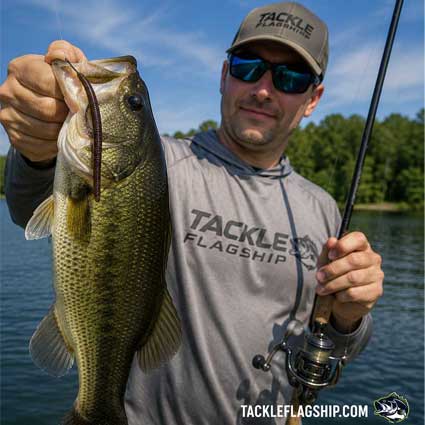
Ned Rig Fishing for Beginners

Introduction
Few bass fishing techniques have earned a reputation quite like the Ned Rig. While many anglers focus on larger lures, aggressive retrieves, and reaction bites, the Ned Rig takes the opposite approach. It relies on simplicity, subtle action, and patience to catch fish when other techniques struggle.
Many anglers first discover the Ned Rig after a difficult day on the water. Bass stop chasing crankbaits, ignore spinnerbaits, and refuse traditional soft plastics. Yet a small piece of soft plastic on a lightweight jig head somehow continues producing bites. That ability to catch fish under tough conditions is exactly why the Ned Rig has become one of the most trusted finesse techniques in modern bass fishing.
For beginners, the Ned Rig offers another major advantage. It is easy to rig, affordable to fish, and highly effective in ponds, lakes, rivers, and reservoirs. Learning how to fish a Ned Rig can quickly improve your confidence and help you catch bass in situations where faster presentations fail.
Quick Answer
A Ned Rig is a finesse fishing technique that combines a small soft plastic bait with a lightweight mushroom-style jig head. The bait stands upright on the bottom and creates a subtle presentation that bass often find irresistible.
For beginners, start with a 2.5 to 3-inch soft plastic, a 1/16 oz or 1/10 oz mushroom jig head, and a spinning setup. Fish it slowly around rock, gravel, docks, and sparse vegetation while maintaining contact with the bottom.
Key Takeaways
- The Ned Rig is one of the most effective finesse fishing techniques for bass.
- Its greatest strength is maintaining bottom contact while presenting a natural-looking bait.
- Small soft plastics paired with mushroom jig heads create a realistic feeding posture.
- Slow retrieves generally outperform aggressive presentations.
- The Ned Rig excels during cold fronts, fishing pressure, and difficult conditions.
- Light spinning tackle makes the technique easy for beginners to learn.
Table of Contents
- What Is a Ned Rig?
- Why the Ned Rig Works
- How to Rig a Ned Rig
- When to Use a Ned Rig
- Where to Fish a Ned Rig
- Best Soft Plastics for a Ned Rig
- Best Ned Rig Colors
- Best Ned Rig Jig Heads
- How to Fish a Ned Rig
- Common Ned Rig Retrieves
- Common Beginner Mistakes
- Best Beginner Ned Rig Setup
- FAQ
What Is a Ned Rig?

A Ned Rig is a finesse fishing rig that pairs a small soft plastic bait with a lightweight mushroom-style jig head. Unlike larger soft plastic presentations that imitate substantial prey, the Ned Rig relies on simplicity and subtle movement.
One of the defining features of the rig is how the bait stands upright when resting on the bottom. This posture resembles a small baitfish, crawfish, goby, or other forage species feeding along the lake floor. Bass encounter this type of behavior naturally every day, which helps explain why the presentation is so effective.
The Ned Rig belongs to the broader soft plastic fishing family. While Texas Rigs are commonly used to fish heavy cover and Wacky Rigs excel during the fall, the Ned Rig is primarily designed to maintain contact with the bottom and present an easy meal to nearby fish.
Why the Ned Rig Works

The Ned Rig succeeds because it presents bass with an easy meal. Instead of creating excessive vibration or aggressive action, it offers a small and natural-looking target that fish can consume with very little effort.
Unlike many bass lures that are designed to move through the water column, the Ned Rig spends most of its time in direct contact with the bottom, where bass naturally search for crawfish, baitfish, gobies, and other forage. This is one of the most important concepts for beginners to understand.
Texas Rigs are often associated with fishing cover.
Wacky Rigs are known for generating strikes on the fall.
The Ned Rig is all about bottom contact.
By staying near the lake floor and moving naturally through feeding areas, it constantly remains in a zone where bass expect to find food.
This becomes especially important during cold fronts, post-frontal conditions, winter fishing, and periods of heavy fishing pressure. Bass often become less willing to chase moving baits during these times. The Ned Rig stays close to the fish and gives them an easy opportunity to eat.
Another reason for its success is versatility. The same rig can be fished in shallow ponds, deep reservoirs, natural lakes, and rivers. Few finesse techniques perform so consistently across different environments.
How to Rig a Ned Rig
One reason the Ned Rig has become so popular is its simplicity. Rigging the bait takes only a few seconds.
Step 1: Choose a Mushroom Jig Head
Most beginners should start with either a 1/16 oz or 1/10 oz mushroom-style jig head. These weights cover the majority of fishing situations while maintaining the natural action that makes the Ned Rig effective.
Step 2: Select a Soft Plastic
Most Ned Rig baits range from 2.5 to 3 inches long. Short stick baits, finesse worms, and buoyant Ned Rig plastics all work well.
Step 3: Thread the Plastic Onto the Hook
Insert the hook point into the nose of the bait and thread it straight onto the hook shank until the plastic sits firmly against the jig head.
Step 4: Check Alignment
The bait should sit perfectly straight. A crooked plastic can negatively affect action and reduce the effectiveness of the presentation.
When to Use a Ned Rig
The Ned Rig performs best when fishing conditions become difficult. While it catches fish throughout the year, several situations strongly favor this presentation.
Cold Front Conditions
Bass often become less aggressive after weather changes. The Ned Rig's subtle action frequently produces bites when reaction lures stop working.
High Fishing Pressure
Fish that have seen countless spinnerbaits, crankbaits, chatterbaits, and Texas Rigs often respond well to a smaller finesse presentation.
Clear Water
Because fish can inspect a lure more closely in clear water, natural-looking presentations tend to perform better.
Post-Spawn Bass
After spawning, bass often become less aggressive. A slowly presented Ned Rig can consistently generate bites during this period.
Winter Fishing
Many anglers consider the Ned Rig one of the most productive cold-water bass fishing techniques available because it can be worked slowly near the bottom.
Where to Fish a Ned Rig

Location often matters more than lure selection.
Rocky bottoms are among the best places to fish a Ned Rig because the mushroom head maintains excellent bottom contact while allowing the bait to stand upright. Gravel flats, rocky points, riprap banks, and hard-bottom areas all provide excellent opportunities. These locations naturally hold crawfish and other forage species, making them feeding areas that bass regularly patrol.
Docks are another productive target. Bass frequently suspend around dock pilings and use dock shade as an ambush point. A Ned Rig can be worked naturally through these areas without appearing unnatural, making it particularly effective when bass are inactive.
Sparse vegetation and weed edges also produce well. While the Ned Rig is not as weedless as a Texas Rig, it can still be fished effectively around moderate cover. Bass often position themselves along weed transitions where they can move between cover and open water.
Points, drop-offs, channel edges, and transitions between different bottom types are also excellent places to target. Bass commonly use these structures as travel routes and feeding locations throughout the year. Maintaining bottom contact in these areas often results in consistent bites.
Best Soft Plastics for a Ned Rig
Many soft plastics work well on a Ned Rig, but some are better suited to the presentation than others.
| Plastic Type | Best Use |
|---|---|
| Cut Stick Bait | General purpose fishing |
| Finesse Worm | Pressured bass and clear water |
| Buoyant Ned Plastic | Maximum stand-up action |
Cut stick baits remain one of the most popular options because they provide a compact profile and natural action. Many anglers simply cut larger stick worms in half to create an effective Ned Rig bait. They are affordable, versatile, and easy for beginners to fish.
Finesse worms excel when bass become selective. Their slim profile creates a subtle presentation that often triggers bites during difficult conditions. They are especially productive in clear water and heavily pressured fisheries.
Specialized Ned Rig plastics contain buoyant materials that help the bait stand upright on the bottom. This enhances the natural feeding posture that makes the technique so effective. When bass are feeding on bottom-oriented forage, these baits can be particularly productive.
For beginners, Green Pumpkin remains the safest color choice. It imitates a wide variety of natural forage and performs well in both clear and stained water.
Best Ned Rig Colors
Color selection does not need to be complicated. Most successful Ned Rig anglers rely on only a few proven colors.
| Water Condition | Best Color |
|---|---|
| Clear Water | Green Pumpkin, Watermelon |
| Slightly Stained Water | Green Pumpkin, Junebug |
| Stained Water | Black and Blue |
| Muddy Water | Black |
| Sunny Conditions | Watermelon |
| Cloudy Conditions | Green Pumpkin |
Green Pumpkin is widely considered the most versatile Ned Rig color because it resembles multiple forage species and works in a wide range of conditions. Watermelon often excels in clear water, while darker colors become more effective as visibility decreases.
Best Ned Rig Jig Heads
The jig head is one of the most important components of the entire system.
Mushroom-style heads dominate Ned Rig fishing because they help the bait stand upright when resting on the bottom. This posture creates the distinctive presentation that separates the Ned Rig from many other finesse techniques.
Most beginners should focus on three common weights:
| Weight | Best Use |
|---|---|
| 1/16 oz | Shallow water, calm conditions |
| 1/10 oz | General purpose fishing |
| 1/5 oz | Wind, current, deeper water |
Using the lightest weight that still allows consistent bottom contact usually creates the most natural presentation.
Common Hook Sizes
| Hook Size | Best Use |
|---|---|
| #1 | Smaller plastics |
| 1/0 | General purpose fishing |
| 2/0 | Larger plastics |
Most beginners will find that a 1/0 hook handles the majority of Ned Rig applications.
Weedless vs Standard Ned Rig Heads
| Type | Best Use |
|---|---|
| Standard Head | Rocks, gravel, open water |
| Weedless Head | Sparse grass, wood, light cover |
Standard Ned Rig heads generally provide the best hook-up percentage and are ideal for open-water situations. Weedless versions become useful when fishing around grass, wood, or other snag-prone cover.
How to Fish a Ned Rig
The biggest mistake beginners make is fishing the Ned Rig too aggressively.
After casting, allow the bait to sink until it reaches the bottom. From there, small movements are usually all that is needed. Gentle drags, short hops, and slow retrieves often outperform aggressive rod movements.
Remember the core principle of Ned Rig fishing: maintain bottom contact. The bait should spend most of its time near the lake floor rather than swimming high through the water column.
Small movements combined with patience are often all that is needed to generate strikes.
Common Ned Rig Retrieves
Drag
Slowly drag the bait across the bottom while maintaining constant contact with the lake floor. This retrieve excels around rock, gravel, and hard-bottom structure.
Hop and Pause
Use small hops followed by several seconds of inactivity. Many strikes occur immediately after the bait settles back onto the bottom.
Deadstick
Allow the bait to sit completely still for several seconds. This retrieve can be extremely effective when bass are inactive, pressured, or feeding cautiously.
For most beginners, the drag retrieve is usually the easiest and most productive place to start.
Common Beginner Mistakes
Many anglers fish the Ned Rig too quickly. Because the lure is small, beginners often assume they need to constantly move it. In reality, the bait often works best when moved as little as possible.
Another common mistake is using tackle that is too heavy. Heavy rods and thick fishing line can reduce casting distance and make it more difficult to detect subtle bites.
Some anglers also use jig heads that are heavier than necessary. While heavier weights increase casting distance, they can reduce the natural presentation that makes the Ned Rig effective.
Location mistakes are common as well. A Ned Rig is most effective when fished around productive structure, cover, and feeding areas rather than random open water.
Finally, many beginners abandon the technique too quickly. The Ned Rig often rewards patience.
Best Beginner Ned Rig Setup

Recommended Setup:
- Rod: 7' Medium Fast Spinning Rod
- Reel: 2500 Size Spinning Reel
- Main Line: 10-15 lb Braid
- Leader: 8-10 lb Fluorocarbon
- Jig Head: 1/16 oz or 1/10 oz Mushroom Head
- Bait: 2.5-3 inch Ned Rig Plastic
This setup provides excellent sensitivity while remaining easy to cast and manage. It is versatile enough for ponds, lakes, rivers, and reservoirs while staying consistent with other beginner soft plastic setups.
FAQ
What is the best bait for a Ned Rig?
A 2.5 to 3-inch stick bait or finesse worm is usually the best starting point for beginners.
What weight Ned Rig jig head should I use?
Most anglers use 1/16 oz or 1/10 oz jig heads for general fishing situations.
Is a Ned Rig good for beginners?
Yes. The Ned Rig is easy to rig, simple to fish, and highly effective in a variety of conditions.
What color works best on a Ned Rig?
Green Pumpkin is the most versatile option. Black and Blue works well in stained water, while Watermelon often excels in clear water.
Why does a Ned Rig stand up?
The combination of a mushroom-style jig head and a buoyant soft plastic helps the bait stand upright on the bottom, creating a natural feeding posture that bass find attractive.
How deep should you fish a Ned Rig?
A Ned Rig can be effective from just a few feet of water to depths exceeding 30 feet. The key is maintaining bottom contact while keeping the presentation natural.
What fish can you catch on a Ned Rig?
While primarily used for bass fishing, Ned Rigs also catch smallmouth bass, spotted bass, walleye, crappie, and other freshwater species.
Can you fish a Ned Rig in grass?
Yes, but it performs best around sparse vegetation rather than thick grass.
When should you throw a Ned Rig?
The Ned Rig is especially effective during cold fronts, post-spawn periods, winter fishing, and any time bass become pressured or inactive.
Ned Rig vs Wacky Rig: Which is better?
A Ned Rig generally excels when fish are holding near the bottom and feeding cautiously. A Wacky Rig often performs better around docks, shallow cover, and suspended bass.
Ned Rig vs Texas Rig: Which is better?
A Texas Rig is more weedless and better suited for heavy cover. A Ned Rig excels in open water, rocky areas, and finesse situations.
Related Guides
- How to Fish Soft Plastics for Beginners
- Texas Rig for Bass Fishing
- Wacky Rig Fishing for Beginners
- Fishing Hook Types Explained for Beginners
- Best Fishing Line for Beginners
Final Thoughts
The Ned Rig proves that bass fishing does not always require large lures or aggressive presentations. Sometimes the most effective approach is also the simplest.
If you have spent an entire day throwing reaction baits without success, pick up a Ned Rig before leaving the lake. Few bass techniques are better at turning a difficult day into a productive one. Focus on maintaining bottom contact, fish it slowly, and let the simplicity of the rig do the work. That approach has helped countless anglers catch bass when other techniques failed and remains one of the most reliable soft plastic presentations available today.