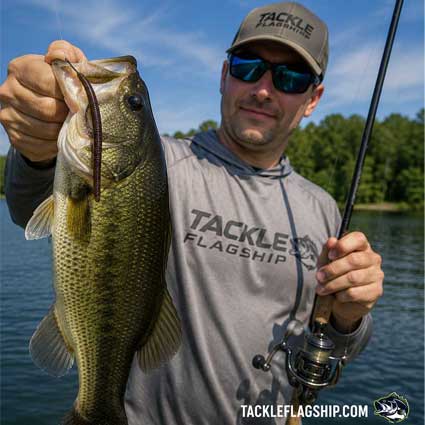
Why Do Largemouth Bass Stop Biting in Hot Weather?

Why Do Largemouth Bass Stop Biting in Hot Weather?

I remember one August afternoon when I launched my kayak onto a small lake that had been producing good bass all spring. The weather looked perfect at first—blue sky, light breeze, and plenty of shoreline cover. But after two hours of casting, I had not had a single strike.
At first, I thought the fish had simply stopped feeding. But after many summer sessions like that, I learned the truth: largemouth bass rarely stop feeding completely in hot weather. They simply change where they hold, when they feed, and how aggressively they react to lures.
Once you understand those changes, summer bass fishing becomes much easier.
Quick Answer
Largemouth bass often seem to stop biting in hot weather because high summer temperatures reduce oxygen in shallow water and push fish toward deeper, cooler areas. During the hottest part of the day, bass usually feed less aggressively and hold close to cover.
The best way to catch largemouth bass in hot weather is to fish early, late, or around shaded deep structure. Slow presentations such as soft plastic worms, jigs, and other bottom-contact lures usually work better than fast-moving lures during midday heat.
Why Bass Bite Less in Hot Weather
Hot weather changes the entire environment underwater. Warm water holds less oxygen, especially in shallow ponds, coves, and stagnant backwaters.
Bass are cold-blooded predators, so water temperature directly affects their activity. When water gets very warm, bass often conserve energy instead of chasing prey for long distances.
After several difficult summer trips, I noticed the same pattern over and over: the fish were still present, but once the midday sun got high, they tucked tight against deep cover and refused to chase anything moving quickly.
Bright sun also increases caution, especially in clear water. Bass often stay close to heavy cover where they feel secure and only strike when a lure comes very close.
Main Reasons Bass Stop Biting in Hot Weather
Several things happen at the same time during summer heat, which is why the bite can feel so difficult.
| Reason | What Happens | How to Adjust |
|---|---|---|
| Low oxygen | Shallow water becomes less comfortable | Fish deeper water, current, or vegetation |
| Bright sun | Bass hold tighter to shade and cover | Target docks, grass, timber, and overhangs |
| High water temperature | Bass conserve energy | Slow down your retrieve |
| Fishing pressure | Fish become more cautious | Use subtle, natural presentations |
| Short feeding windows | Bass feed less often during the day | Fish early, late, or at night |
The biggest mistake is assuming bass have disappeared. Most of the time, they have simply repositioned.
Where Do Largemouth Bass Go in Hot Weather?

In hot weather, largemouth bass usually move to places that offer cooler water, shade, oxygen, and access to deeper structure.
The best summer locations often include:
-
Drop-offs near shallow flats
-
Creek channels
-
Submerged timber
-
Deep weed edges
-
Boat docks
-
Overhanging trees
-
Offshore humps
-
Current inflow areas
-
Shaded banks near deeper water
A common summer pattern is simple: bass stay deeper during the day and move shallower only during short feeding windows.
Many anglers keep fishing visible shoreline cover all day and miss the fish entirely. Instead of fishing only what looks good from the bank, focus on areas where bass can move quickly between deep holding water and shallow feeding areas.
When Bass Still Bite in Hot Weather

Largemouth bass can bite throughout the summer, but timing becomes much more important during extreme heat.
The best feeding windows usually are:
-
Early morning
-
Late evening
-
Night
-
Cloudy periods
-
Right before storms
-
Periods with wind or current
Early morning is often the easiest time to get bites because shallow water is cooler and bass are more willing to chase. Late evening can also be productive as light levels drop and baitfish move closer to cover.
During the middle of the day, bass may still bite, but you usually need to fish slower and put the lure very close to cover.
Best Lures for Summer Bass in Hot Weather

Several lures consistently work well in high summer temperatures, but the best choice depends on where the bass are holding.
| Lure | Best For | Main Advantage | Possible Downside |
|---|---|---|---|
| Soft plastic worm | Deep cover, docks, weeds | Slow and natural | Requires patience |
| Jig | Bigger bass near structure | Good bottom contact | Harder for beginners |
| Spinnerbait | Early, late, stained water | Vibration and flash | Less effective in clear midday water |
| Topwater frog | Grass, mats, low light | Explosive strikes | Short feeding window |
| Deep-diving crankbait | Offshore ledges and channels | Covers water quickly | Must reach the right depth |
For most hot-weather bass fishing, soft plastic worms and jigs are the most reliable choices because they stay in the strike zone longer.
On pressured summer lakes, I often keep a few soft plastic worms and compact spinnerbait lures ready because they cover both slow and reaction bites.
Spinnerbaits can still work early or late in the day, especially in stained water where vibration helps bass locate the lure. Topwater frog lures can be surprisingly effective during low-light periods when bass move into shallow weed edges.
Deep-diving crankbaits are useful when bass are holding on offshore ledges, humps, or creek channel edges.
Best Method for Catching Bass in Hot Weather
The most reliable summer method is to slow down and fish deeper than you normally would in spring.
I usually follow a simple approach:
-
Start at sunrise and fish shallow cover first
-
Use moving lures early while bass are active
-
Shift to deeper structure when the sun gets high
-
Slow down with soft plastics, jigs, or bottom-contact lures
-
Make repeated casts to the best cover from different angles
The key is patience. In hot weather, bass often strike only when the lure stays in the strike zone long enough.
A slower retrieve near structure usually outperforms fast reaction lures in midday heat.
Best Gear Setup
A practical summer bass setup does not need to be complicated.
Recommended setup:
-
Rod: 6.6–7.2 ft medium-heavy bass rod
-
Reel: 2500 spinning reel or low-profile baitcasting reel
-
Line: 12–20 lb braided line or fluorocarbon
-
Hook: 3/0–5/0 offset worm hook
-
Lures: soft plastic worm, jig, spinnerbait, crankbait, or frog lure
For beginners, a medium-heavy spinning setup is often the easiest option for summer bank fishing. A baitcasting reel gives you more control around heavy cover, but spinning gear is easier to manage when fishing soft plastics and lighter lures.
If you fish around weeds, docks, timber, or heavy grass, stronger line helps you pull bass away from cover before they bury themselves.
Common Mistakes in Hot Weather Bass Fishing
One of the biggest mistakes in hot weather is fishing too shallow during midday.
Another common mistake is using fast-moving lures all day. Bass often become less willing to chase in warm water, especially under bright sun.
Common summer bass fishing mistakes include:
-
Fishing only shallow shoreline cover
-
Moving too quickly between spots
-
Using fast lures during midday heat
-
Ignoring deep structure
-
Giving up before the feeding window starts
-
Fishing too far away from cover
-
Using gear that is too light around weeds or timber
Many anglers also leave productive spots too quickly. Summer bass may hold tightly to one piece of cover and only strike after several casts from the right angle.
Do Bass Completely Stop Feeding in Hot Weather?
No, largemouth bass do not completely stop feeding in hot weather.
They usually feed:
-
During shorter windows
-
Closer to cover
-
In deeper or shaded water
-
More at night or low light
-
Less aggressively during midday
This is why summer bass fishing can feel frustrating. The fish are still there, but the strike zone gets smaller and timing matters more.
Fish Care and Conservation
Hot weather can stress bass more than many anglers realize because warm water contains less oxygen and fish may recover more slowly after being caught.
Wet your hands before handling bass, avoid placing them on hot surfaces, and release them quickly whenever possible. If you take photos, keep the fish out of the water for only a few seconds.
Frequently Asked Questions
Do largemouth bass bite in hot weather?
Yes. Largemouth bass still bite in hot weather, but they often feed during shorter windows. Early morning, late evening, night, shade, and deeper structure usually produce the best results.
Why do bass stop biting in the middle of the day?
Bass often stop biting during midday because bright sun, high water temperature, and lower oxygen levels make them less active. They usually hold close to cover or deeper water and become less willing to chase lures.
What is the best lure for bass in hot weather?
A soft plastic worm is one of the most reliable lures for hot weather bass fishing because it can be worked slowly around cover and deep structure. Jigs, frogs, spinnerbaits, and deep crankbaits can also work depending on the conditions.
Should I fish shallow or deep for bass in summer?
Fish shallow early and late in the day, then move deeper when the sun gets high. During hot weather, bass often hold near deep structure, weed edges, docks, creek channels, and shaded cover.
What time of day is best for summer bass fishing?
Early morning and late evening are usually the best times. Night fishing can also be productive during extreme heat, especially on pressured lakes and ponds.
What water temperature makes bass stop biting?
Bass do not stop biting at one exact temperature, but fishing often becomes tougher once water temperatures climb into the 80s, especially in shallow, low-oxygen water. When that happens, deeper water, shade, vegetation, and current become much more important.
Related Guides
You may also find these guides helpful:
-
What Lures Work Best for Largemouth Bass in Summer?
-
How Do You Catch Largemouth Bass from the Bank in Summer?
-
Best Spinnerbait Lures for Summer Bass Fishing
-
Best Fishing Rod for Beginner Bass Fishing

Final Thoughts
Largemouth bass do not stop biting in hot weather—they simply become less predictable.
The biggest adjustment is understanding that summer bass often feed during short windows and spend most of the day near deeper structure, shade, or cover.
Over the years, I have found that the anglers who catch bass consistently in summer are not always casting more. They are usually fishing slower, targeting deeper water, and staying patient when conditions feel tough.
On the hottest days, that small adjustment often makes all the difference.
Some of my best summer bass have come on afternoons when the lake looked completely dead, which is why I never leave early just because the heat feels uncomfortable.